How many times have you told yourself, “I need to work on my posture,” so you sit up straighter and uncross your legs—only to find yourself five minutes later slumped again with your head forward, your back rounded, and your legs crossed?
Honestly… same.
Instead of feeling frustrated, what if I told you your body is actually being really smart when it settles into those “poor posture” positions?
Our bodies are designed to conserve energy. If you think back to the caveman days—when we didn’t know when the next meal was coming—our bodies learned to find positions that require the least amount of effort to maintain. Unfortunately, those positions often don’t support optimal muscle function over time.
How Posture Affects Your Pelvic Floor
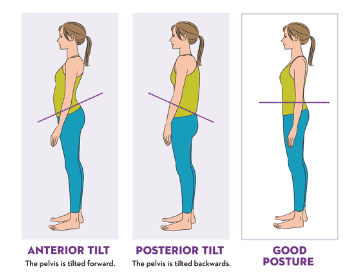
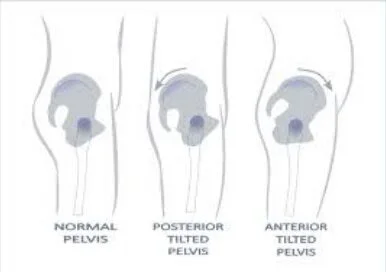
When we sit with a rounded back, the pelvis tips posteriorly (backward). This changes the position of the pelvic floor muscles:
The back portion of the pelvic floor becomes compressed as the tailbone moves into the pelvic outlet.
The front portion becomes overstretched.
Over time, this pattern can contribute to:
Difficulty relaxing the pelvic floor
Weak glute muscles
Constipation
Pain with intercourse
On the opposite end of the spectrum, standing with the butt pushed out and the back arched places the pelvis in an anterior (forward) tilt.
In this position:
The back portion of the pelvic floor muscles becomes lengthened.
The front portion becomes compressed.
This posture is often associated with:
Tight hip flexors
Low back tightness
Weak abdominals and glutes
Pain with vaginal penetration
So what can we do about it?
Because our bodies fall into these patterns subconsciously, simply telling yourself to “sit up straight” usually doesn’t work long-term.
These positions are easier for the body because some muscles have become chronically tight, while others have become weak or underused. The key is restoring balance through daily mobility and strengthening work so tight muscles can relax and weaker muscles can start supporting you again.
A pelvic floor physical therapist can help identify your specific postural patterns and guide you through exercises tailored to your body.
My Favorite Posture-Support Exercises
Open Book
Cat–Cow
Doorway Pec Stretch
360° Breathing
Ready to feel the difference?
If you’ve been dealing with pelvic pain, constipation, leaking, or discomfort with intimacy, your posture and pelvic floor may be more connected than you think. The good news is that these patterns are highly treatable with the right approach.
If you’re curious whether pelvic floor physical therapy could help, I’d love to connect. You can schedule a Discovery Call by emailing PelvicHeatlhinMotion@gmail.com to talk through your symptoms, ask questions, and see if working together feels like the right next step.
Your body deserves support—not just better posture.
