If you’re in your late 30s to 50s and noticing changes in your body that feel… unfamiliar—you’re not alone. Hormonal shifts during perimenopause and menopause impact far more than just your cycle. The good news? There’s a lot within your control—and resistance training is one of the most powerful tools you have.
So what is perimenopause?
Perimenopause is the 3–5 years leading up to menopause, when your hormones start to fluctuate (not just drop—which is why it can feel so unpredictable).
You might notice things like:
Irregular periods
Mood swings or worse PMS
Night sweats or feeling randomly cold
Headaches
Vaginal dryness
Changes in bladder control (leaking, urgency, etc.)
And menopause?
Menopause is the permanent end of menstruation after 12 consecutive months without a period.
It usually happens between ages 45–55 and marks the point where estrogen levels have significantly declined.
What’s actually happening in your body?
This is where a lot of women feel frustrated—because things start changing without doing anything “wrong.”
You might notice:
It’s harder to maintain muscle
Body fat increases more easily
Your joints feel stiffer
Sleep isn’t as solid
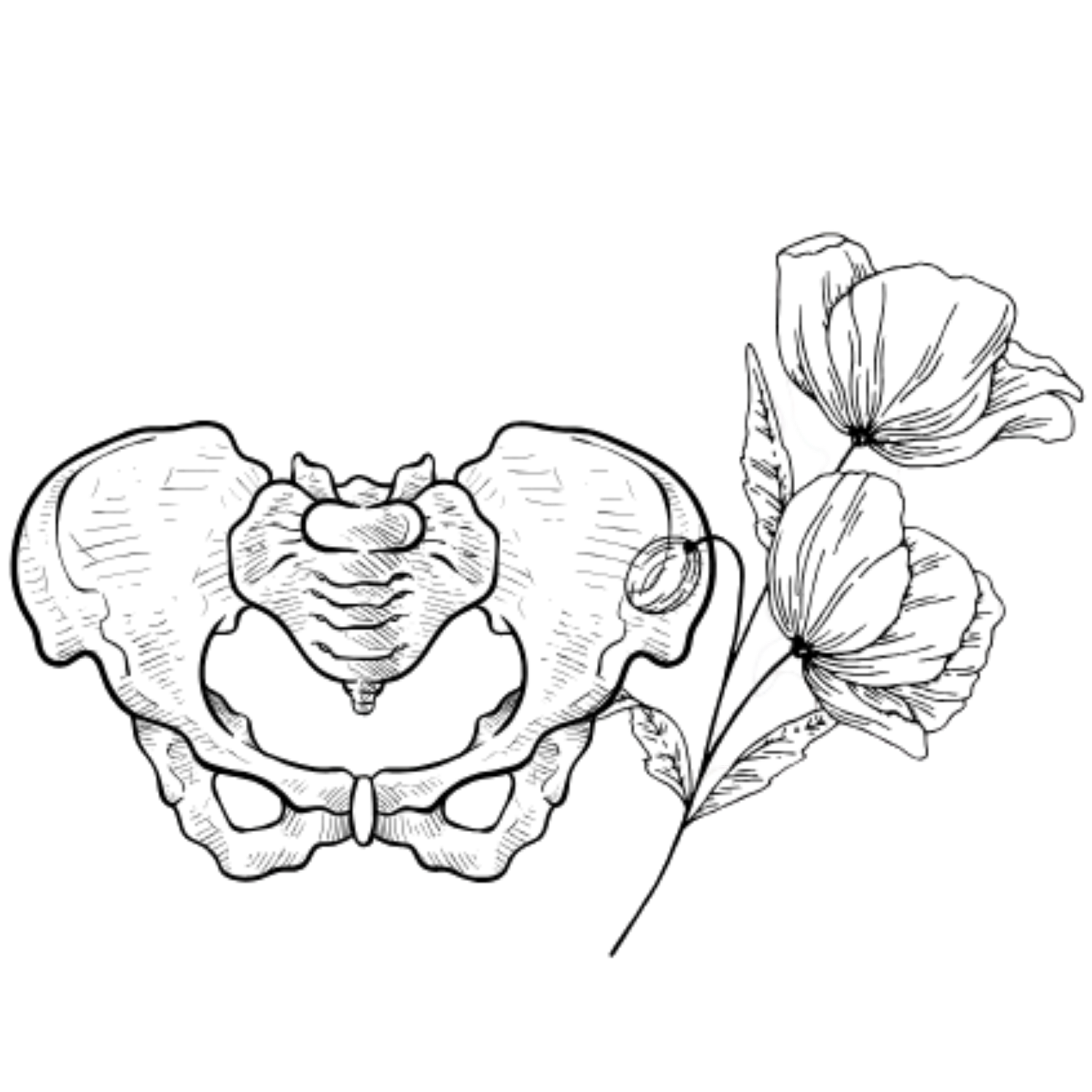
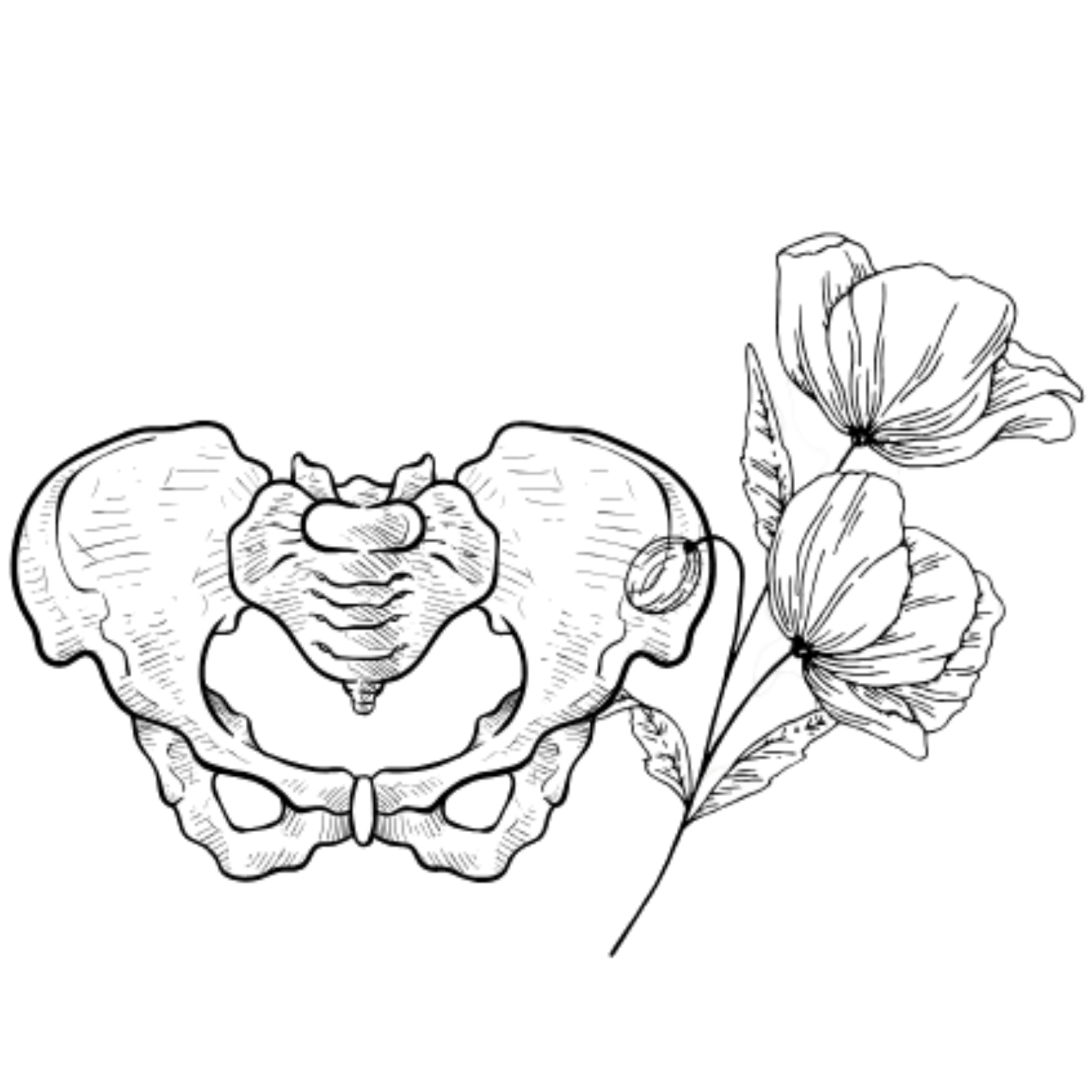
Your pelvic floor symptoms show up (or worsen)
None of this is random—it’s hormonal.
Here’s the good news: strength training helps… a lot
If there’s one thing I wish more women knew during this phase, it’s this:
Strength training is one of the most powerful tools you have
It helps:
Maintain (and build) muscle
Support bone density (huge for preventing osteoporosis)
Improve metabolism
Support your pelvic floor
Reduce injury risk
Even improve symptoms like fatigue and hot flashes
But how you train matters
This is where I see a lot of women holding themselves back a bit.
To really get the benefits, we want to lift heavy enough to challenge your body.
That usually looks like:
4–6 reps of 3–5 sets
The weight you choose should feel challenging, especially at reps 5 and 6. However, your form is not compromised.
If you could easily do 10+ reps… it’s probably too light.
If you’re newer to strength training:
Start lighter, focus on form, and build up over time. We’re not rushing—but we are progressing.
Focus on the big movements
Some of the best exercises:
Squats
Deadlifts
Push-ups
Rows
Overhead press
These give you the most return for your time—and they support your pelvic floor better than isolated exercises alone.
What about cardio?
You still want it—just not only cardio.
Aim for about 150 minutes of movement per week
Add in 2–3 short HIIT sessions (20–30 min) if you enjoy them
Example:
30 seconds fast pace
15 seconds recovery
Repeat
Simple, effective, done.
Don’t forget recovery (this matters more than you think)
Your body is already navigating hormonal stress—so recovery isn’t optional.
Make sure you’re getting:
At least 1 full rest day per week
Good sleep (as much as possible in this phase 🙃)
Hydration
Some kind of mobility (stretching, yoga, Pilates)
Let’s talk pelvic floor for a second
Your pelvic floor doesn’t exist in isolation—it works with your entire system.
When you get stronger:
You manage pressure better
You support your organs better
You often see improvements in leaking, heaviness, and control
This is why full-body strength training is so important—not just doing Kegels.
Bottom line
This phase of life isn’t about doing less.
It’s about training smarter—and often, a little heavier.
If you’re not sure where to start… That’s exactly what I’m here for.
Whether you’re dealing with symptoms or just want to feel strong and confident in your body again, we can build a plan that actually works for you.
